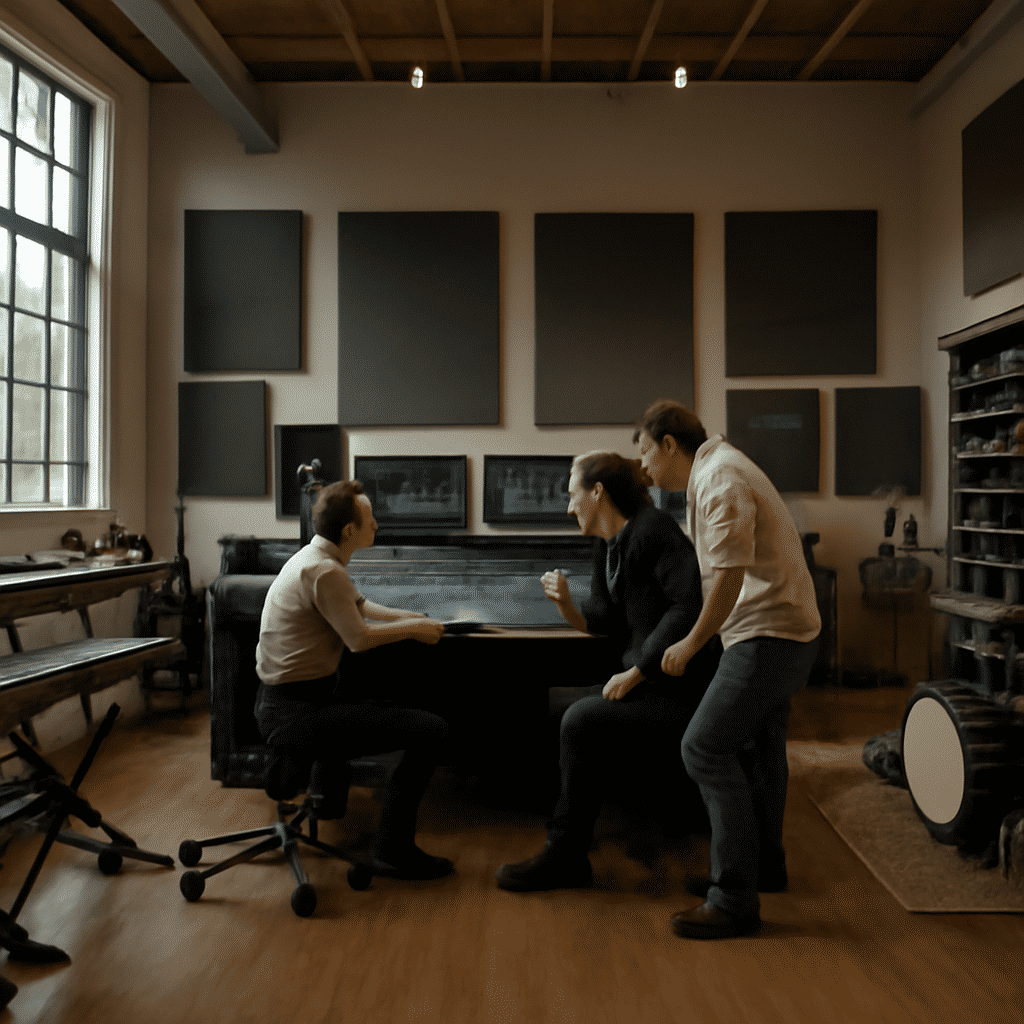
In today’s fast-paced, digital-driven world, the value of physical interaction and collaboration is often overshadowed by virtual communication. Yet, there remains a powerful magic in gathering creative minds under one roof — a place where ideas can collide and flourish. This is where collaborative studio spaces come into play, offering artists a haven to innovate, connect, and thrive collectively.
These shared environments are meticulously designed to inspire and stimulate creativity. They provide a sanctuary where the cacophony of mundane distractions fades, replaced by the hum of shared purpose and artistic ambition. Here, artists are not isolated in their creative journeys; rather, they are part of a vibrant community where collaboration knows no bounds.
At the heart of these spaces is their emphasis on seamless interaction. A variety of layouts cater to both individual and group endeavors, with open-plan areas fostering spontaneous brainstorming sessions and dedicated nooks allowing for solitary concentration. It’s a balancing act, but one that can catalyze transformative creative processes.
Moreover, collaborative studio spaces are equipped with shared resources that would be otherwise inaccessible or prohibitively expensive for individual artists. High-end equipment, versatile workstations, and a rich library of materials are at their fingertips, leveling the playing field and setting the stage for innovation. This access not only enhances the quality of the work produced but also opens new avenues for experimentation and skill development.
The rich tapestry of talent in these spaces is further woven by the diversity of its occupants. Painters, sculptors, graphic designers, digital artists, and writers alike converge in these creative hubs. Such diversity breeds an environment where cross-pollination of ideas is inevitable and encouraged. Artists find inspiration in each other’s work, leading to unexpected collaborations and the birth of new art forms.
Additionally, these studios foster a sense of community that artists may not find when working alone. Regular workshops, exhibitions, and networking events are common occurrences, acting as fertile ground for fostering relationships and exchanging knowledge. Through these interactions, artists develop a support system that can be both personally and professionally rewarding.
However, the impact of collaborative studio spaces extends beyond the immediate artistic community. They serve as cultural nuclei within cities, promoting engagement with the wider public through open studio days, art fairs, and gallery showings. In doing so, they bridge the gap between artists and audiences, making art more accessible and appreciated by the community at large.
In essence, collaborative studio spaces are more than just physical locations; they are dynamic ecosystems where creativity is nurtured, community is built, and innovation is a collective mission. As more artists embrace these shared spaces, the potential for groundbreaking collaborations and revolutionary artistic achievements will only continue to grow. Whether you are an established artist or emerging talent, stepping into a collaborative studio space is an invitation to expand your creative horizons and join a passionate fellowship driving the future of art.